
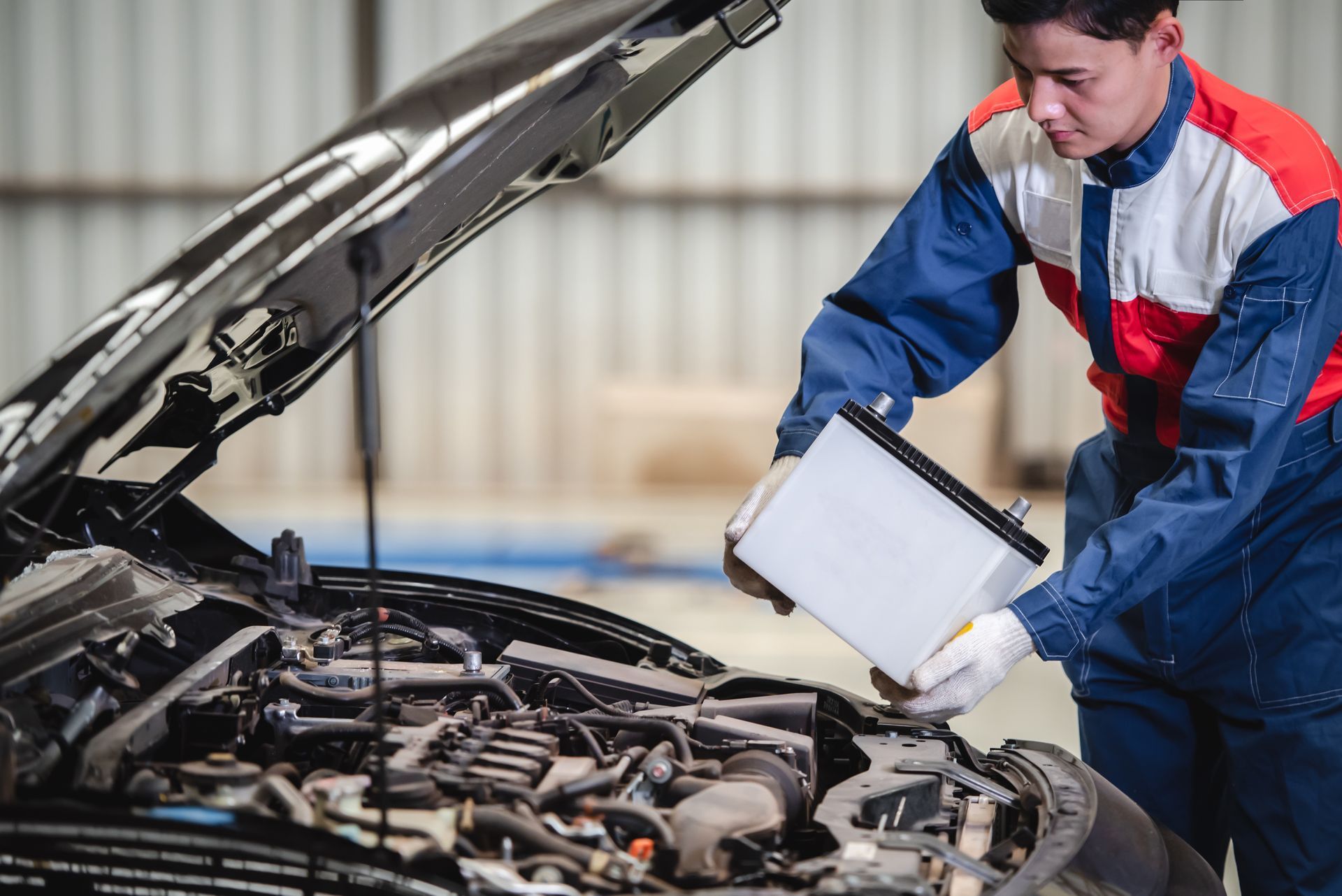
How much life is left in your battery? H & H Auto Service in Hilton Head Island, SC, explains battery testing, aging, and replacement.
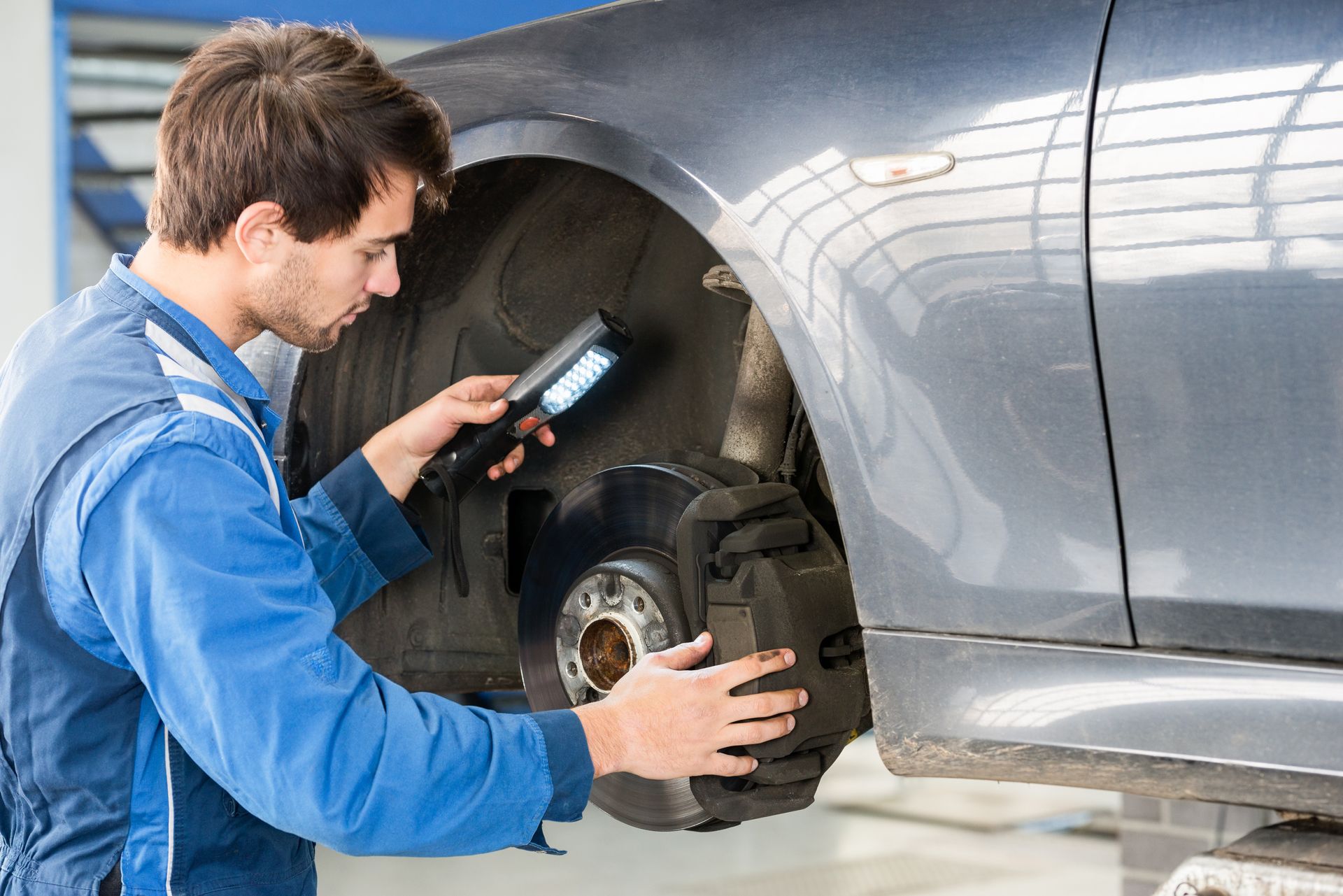
Brake trouble does not always announce itself with a loud grinding noise. The pedal may feel a little different, a wheel may stay warmer than the others, or the car may take more effort to stop in traffic. Those changes are easy to explain away until they become hard to ignore. At our shop, we consider the symptom and then inspect the full brake system. Pads, rotors, calipers, hoses, fluid, tires, and suspension can all affect what a driver feels. These six signs tell you when to have the brakes checked, not which part to buy. 1. Squealing or Grinding When You Brake A high-pitched squeal may come from a pad wear indicator, vibration, or debris. Grinding can mean friction material is worn down and metal is contacting the rotor, although a stone caught near a rotor can sound alarming too. Either way, a new noise deserves an inspection. We measure pad thickness on both sides of each rotor and look at rotor condition. One pad wearing much faster than its partner points us toward a sticking slide, caliper, or other issue. New pads alone will wear poorly if the underlying problem remains. 2. The Pedal Feels Soft or Travels Farther A pedal that sinks or feels spongy can indicate air in the hydraulic system, a fluid leak, a component fault, or another problem. Don't wait if the pedal suddenly drops or your stopping ability changes. Park safely and arrange a tow. We inspect for leaks, check the fluid level and condition, and test the system as appropriate. Low brake fluid may reflect pad wear, but a sudden drop means we need to look for a leak. Adding fluid without finding the reason can hide an urgent failure. 3. The Car Pulls During Braking If the vehicle consistently drifts to one side when you brake, one wheel may not be doing its share, or a brake may be dragging. Uneven tires, road slope, and suspension issues can create a similar impression. We compare braking behavior on a road test and check both sides. A hot wheel, uneven pad wear, or a seized caliper gives us stronger evidence than pull direction alone. A dragging brake can overheat and damage the rotor, so have a pronounced pull checked soon. 4. You Feel Pulsation Through the Pedal A repeating pulse while braking may be related to uneven rotor thickness or brake friction deposits. It can also be confused with tire or suspension vibration. We note the speed and braking conditions, then measure the relevant parts instead of assuming every pulse means you need new rotors. If the steering wheel shakes mainly during braking, the front brake condition is one place to start, but the whole wheel and suspension assembly still deserves attention. Vibration without braking may have a different cause. 5. A Brake Warning Light Stays On The parking brake indicator, low-fluid warning, and ABS light do not all mean the same thing. Make sure the parking brake is fully released. If a red brake warning remains on or the pedal feels abnormal, stop safely and seek help. An ABS warning may mean normal braking still works, but anti-lock assistance is unavailable; it still needs testing. We read the relevant system information and inspect the brakes before recommending a repair. Clearing a warning without identifying the fault does not restore the system. 6. Burning Smell or Excessive Heat After a Drive A hot, sharp odor near one wheel can follow hard braking, but it can also indicate a brake that isn't releasing. If a wheel is smoking or the car is hard to move, stop safely and let the system cool. Do not touch a hot wheel or brake component. In Hilton Head Island traffic, even a short trip with a dragging brake can expose the problem. We compare wheel temperatures and inspect the caliper, slides, hose, and parking brake mechanism where applicable. Get Brake Inspection in Hilton Head Island, SC, With H & H Auto Service If any of these signs appear, bring your vehicle to H & H Auto Service in Hilton Head Island, SC. We can inspect the pads, rotors, hydraulic parts, and related components, then explain what testing shows. Contact us to schedule brake service, and arrange transport if braking suddenly feels weak or a wheel is smoking.
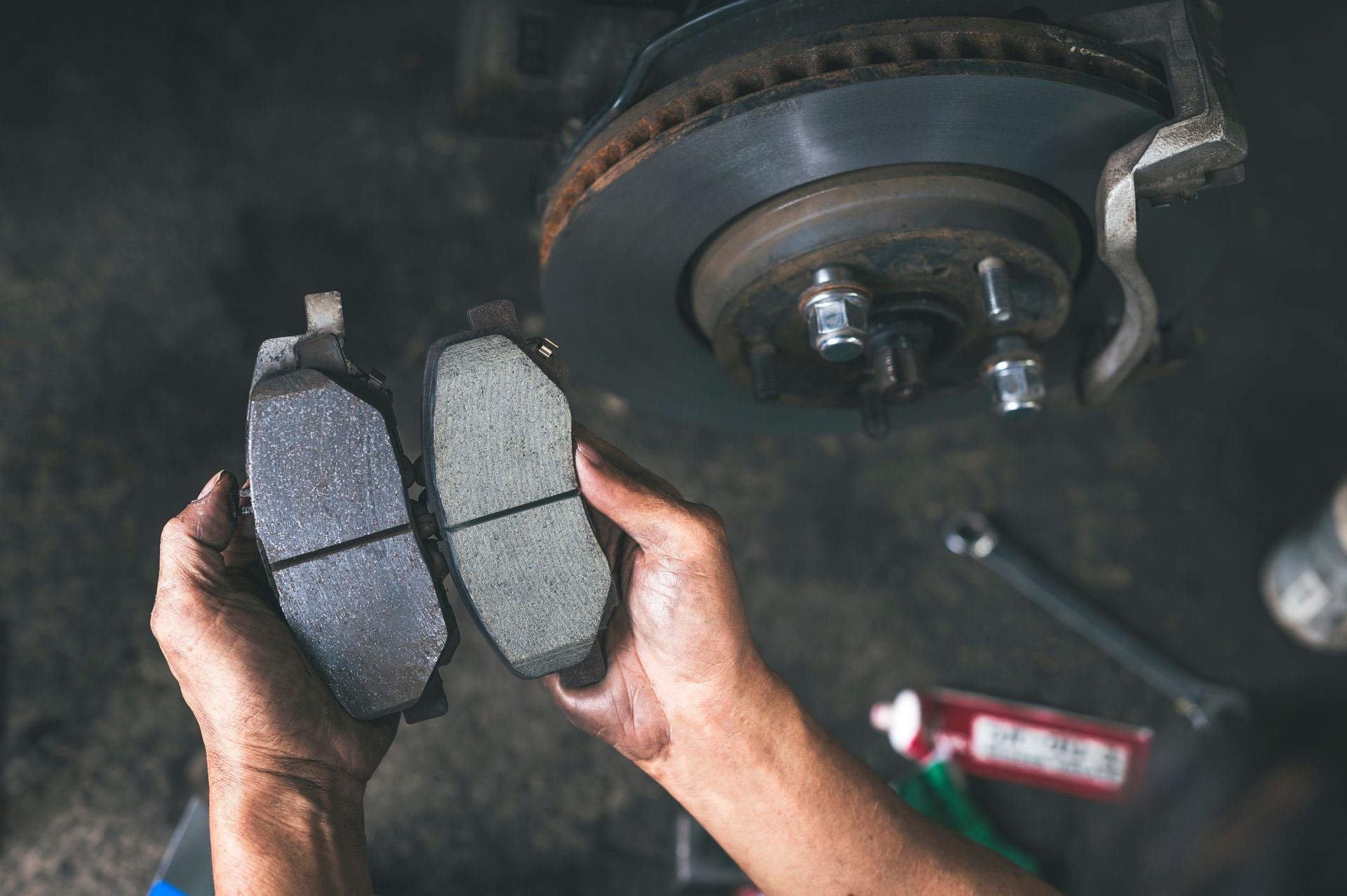
H & H Auto Service in Hilton Head Island, SC, explains what can happen when you ignore worn brake pads for too long.