

How Long Does a Car Battery Last Before Battery Replacement Is Necessary?


October 30, 2026

If the battery is a few years old and the car has started cranking more slowly, it's reasonable to wonder how much life is left. Many conventional 12-volt batteries last around 3 to 5 years, but there's no exact morning when they all give up.


We look at its condition and the way the car is used before recommending replacement. An older battery that still tests well is a different situation from a newer one that keeps going flat every weekend.


Heat and Deep Discharges Shorten Battery Life


Underhood heat speeds up chemical aging inside a battery. Vibration and repeated deep discharges also take their toll. Sometimes the weakness becomes obvious on a cooler morning, after months of deterioration during hot weather. Why did the previous battery last longer? The driving routine, parking conditions, or battery type might have changed.


We discuss those details alongside the test results. Repeatedly leaving a starting battery flat damages it too, so finding the reason for the discharge is part of getting a reasonable life from the replacement.


Short Trips Don't Give the Battery an Easy Life


Starting takes energy out of the battery. Once the engine is running, the alternator supplies the car and replaces that energy. Frequent short trips with plenty of electrical demand sometimes leave too little time to bring the charge back up.


A car that sits for long stretches faces a different problem. Its electronics still use some power while parked, and unwanted draw makes that worse. Tell us how often the car runs and how long the trips last. If a maintenance charger fits your parking routine, we can discuss one that matches the battery after checking for charging faults or excess draw.


How We Check Battery Charge and Starting Power


A healthy battery that has been discharged isn't the same as a worn battery that no longer delivers enough starting power. We check its charge and performance, sometimes charging it first and testing it again. A quick voltage reading alone doesn't answer every question.


Does a successful jump-start mean you need a new battery? Extra power helped the car start, but a poor connection, alternator fault, or overnight electrical load might explain why it needed help. We follow those clues before replacing parts. Otherwise, the new battery might be flat again a few days later.


Describe What Happens When the Car Won't Start


Slow cranking and clicking lead us toward different checks from an engine that spins normally but won't fire. Listen to what happens during the attempt, and don't repeatedly crank if the car won't start. That description helps us begin in the right place.


Before your appointment, note:


  • The battery's installation date, if known
  • Recent jump-starts or external charging
  • How long the car was parked
  • Clicking or slow cranking sounds
  • Warning lights during the previous drive
  • New accessories or recent electrical work


If you see a swollen case, leaking fluid, or damage, leave the battery alone and arrange help. Never charge or jump one that's suspected frozen. Those conditions need checking before another starting attempt.


Simple Battery Checks You Can Make Safely


With the engine off, look for visible corrosion around the terminals and signs that a cable or hold-down is loose. Don't put tools across the terminals or start moving cables without knowing the procedure. Some cars also keep the battery under a seat or in the trunk, so check the manual before removing covers.


What if everything looks clean? A cable can still have resistance hidden inside a connection. We measure voltage loss while the starter is working and check the battery under load. Those tests show problems that a tidy-looking battery can't reveal from the driveway.


The Replacement Battery Has to Match Your Car


The required capacity, battery technology, terminal arrangement, and mounting all need to match. A car designed for AGM needs the correct replacement, and some models require battery registration or a management reset. We check ventilation where fitted and secure the battery properly.


After installation, we confirm starting and charging operation. Keep the date with your maintenance records so future test results have a clear starting point. If the new battery goes flat, report how soon it happened and how long the car was parked. Another replacement won't fix something that keeps drawing power overnight.


Car Battery Service at H & H Auto Service in Hilton Head Island, SC


H & H Auto Service in Hilton Head Island, SC, can test battery condition and check for slow starts or repeated discharge.


Arrange battery testing before your next trip and bring any previous replacement records.

September 30, 2026
Brake trouble does not always announce itself with a loud grinding noise. The pedal may feel a little different, a wheel may stay warmer than the others, or the car may take more effort to stop in traffic. Those changes are easy to explain away until they become hard to ignore. At our shop, we consider the symptom and then inspect the full brake system. Pads, rotors, calipers, hoses, fluid, tires, and suspension can all affect what a driver feels. These six signs tell you when to have the brakes checked, not which part to buy. 1. Squealing or Grinding When You Brake A high-pitched squeal may come from a pad wear indicator, vibration, or debris. Grinding can mean friction material is worn down and metal is contacting the rotor, although a stone caught near a rotor can sound alarming too. Either way, a new noise deserves an inspection. We measure pad thickness on both sides of each rotor and look at rotor condition. One pad wearing much faster than its partner points us toward a sticking slide, caliper, or other issue. New pads alone will wear poorly if the underlying problem remains. 2. The Pedal Feels Soft or Travels Farther A pedal that sinks or feels spongy can indicate air in the hydraulic system, a fluid leak, a component fault, or another problem. Don't wait if the pedal suddenly drops or your stopping ability changes. Park safely and arrange a tow. We inspect for leaks, check the fluid level and condition, and test the system as appropriate. Low brake fluid may reflect pad wear, but a sudden drop means we need to look for a leak. Adding fluid without finding the reason can hide an urgent failure. 3. The Car Pulls During Braking If the vehicle consistently drifts to one side when you brake, one wheel may not be doing its share, or a brake may be dragging. Uneven tires, road slope, and suspension issues can create a similar impression. We compare braking behavior on a road test and check both sides. A hot wheel, uneven pad wear, or a seized caliper gives us stronger evidence than pull direction alone. A dragging brake can overheat and damage the rotor, so have a pronounced pull checked soon. 4. You Feel Pulsation Through the Pedal A repeating pulse while braking may be related to uneven rotor thickness or brake friction deposits. It can also be confused with tire or suspension vibration. We note the speed and braking conditions, then measure the relevant parts instead of assuming every pulse means you need new rotors. If the steering wheel shakes mainly during braking, the front brake condition is one place to start, but the whole wheel and suspension assembly still deserves attention. Vibration without braking may have a different cause. 5. A Brake Warning Light Stays On The parking brake indicator, low-fluid warning, and ABS light do not all mean the same thing. Make sure the parking brake is fully released. If a red brake warning remains on or the pedal feels abnormal, stop safely and seek help. An ABS warning may mean normal braking still works, but anti-lock assistance is unavailable; it still needs testing. We read the relevant system information and inspect the brakes before recommending a repair. Clearing a warning without identifying the fault does not restore the system. 6. Burning Smell or Excessive Heat After a Drive A hot, sharp odor near one wheel can follow hard braking, but it can also indicate a brake that isn't releasing. If a wheel is smoking or the car is hard to move, stop safely and let the system cool. Do not touch a hot wheel or brake component. In Hilton Head Island traffic, even a short trip with a dragging brake can expose the problem. We compare wheel temperatures and inspect the caliper, slides, hose, and parking brake mechanism where applicable. Get Brake Inspection in Hilton Head Island, SC, With H & H Auto Service If any of these signs appear, bring your vehicle to H & H Auto Service in Hilton Head Island, SC. We can inspect the pads, rotors, hydraulic parts, and related components, then explain what testing shows. Contact us to schedule brake service, and arrange transport if braking suddenly feels weak or a wheel is smoking.
What Happens If You Keep Driving With Worn Brake Pads for Too Long? | H & H Auto Service
August 31, 2026
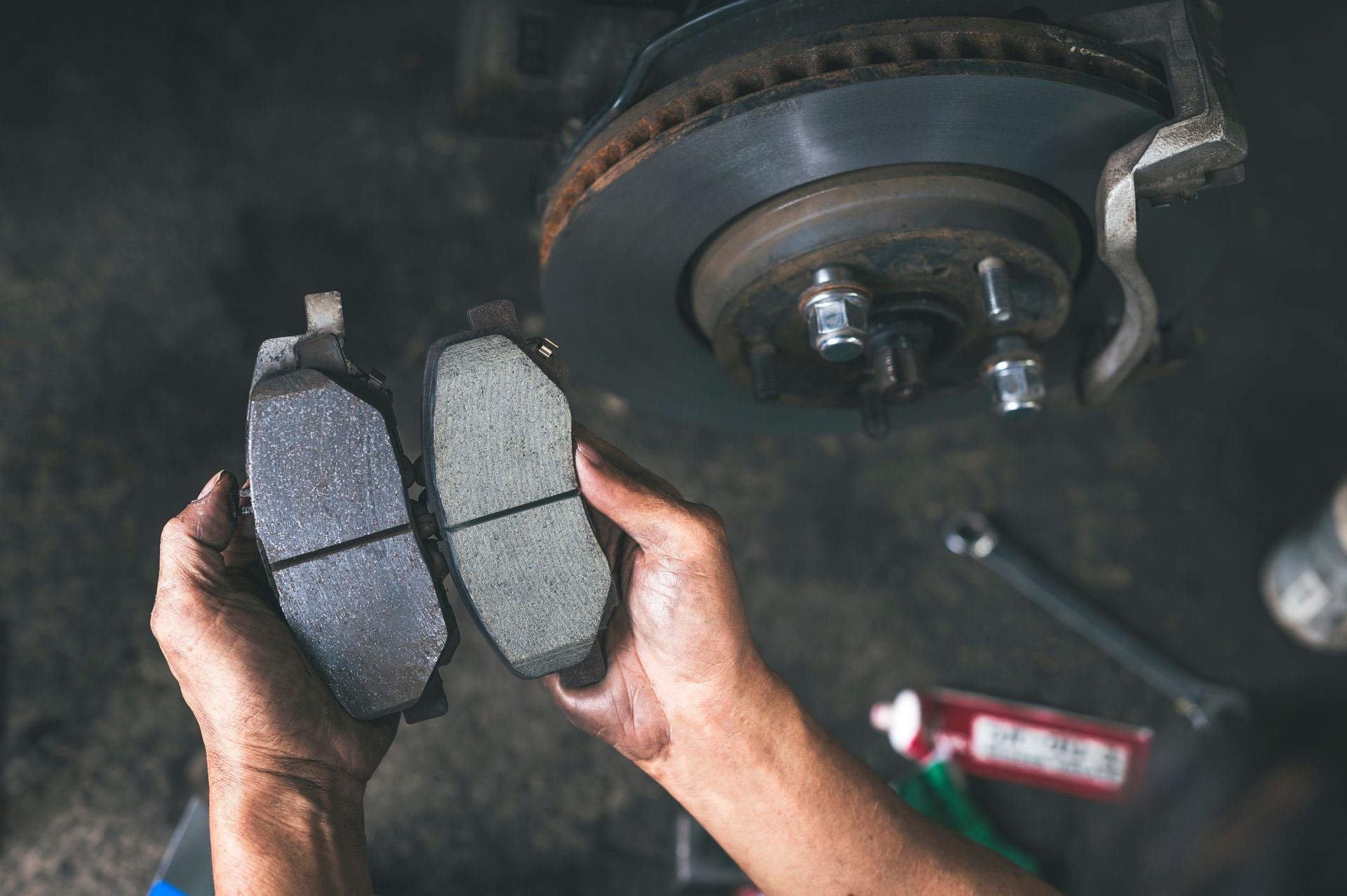
H & H Auto Service in Hilton Head Island, SC, explains what can happen when you ignore worn brake pads for too long.
5 Problems That Can Be Spotted During an Oil Change Visit | H & H Auto Service
July 31, 2026
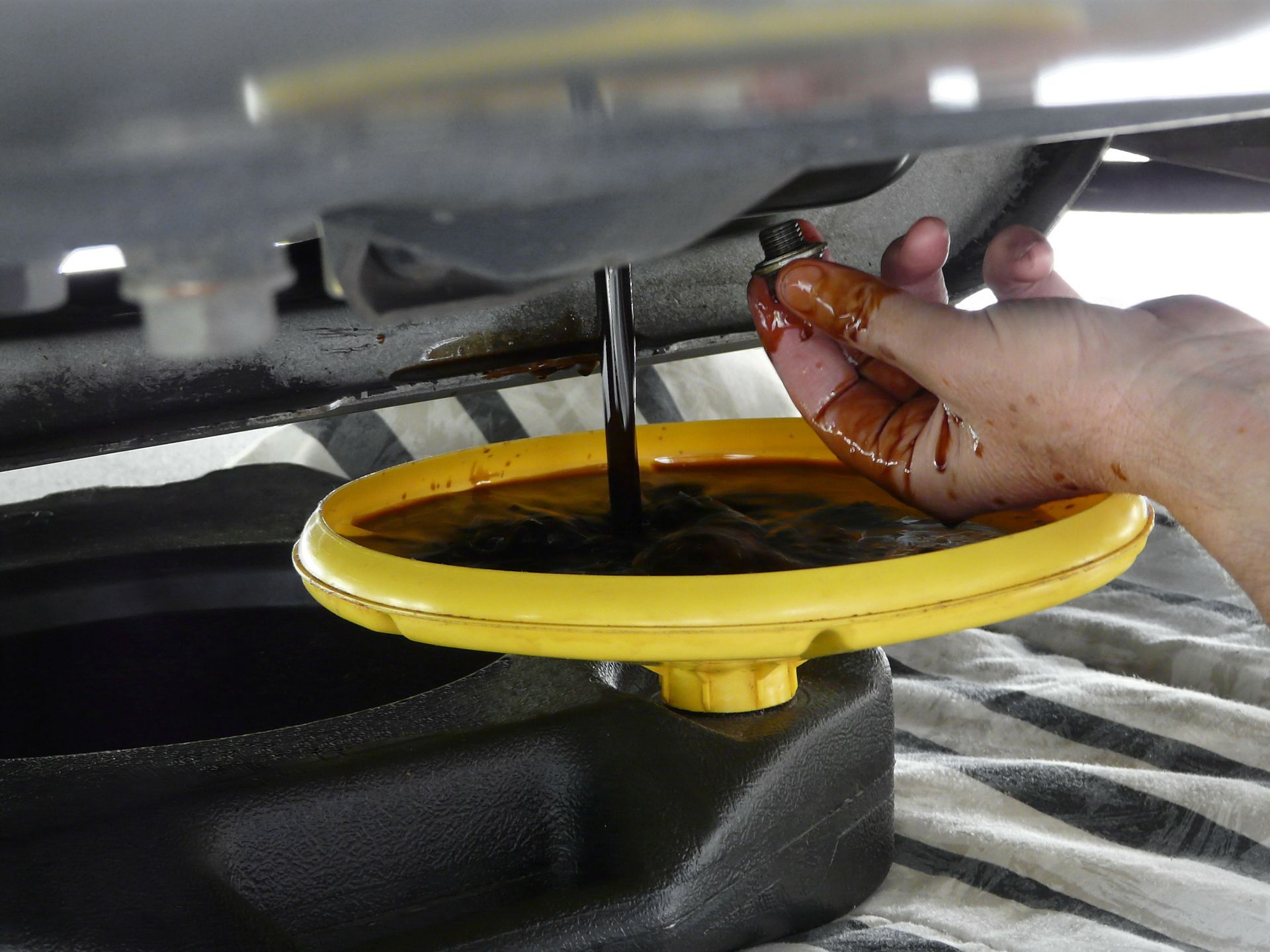
H & H Auto Service in Hilton Head Island, SC, explains five problems that may be found during an oil change.

Hatchback car accelerating past a blurred roadside. | H & H Auto Service
June 30, 2026
H & H Auto Service in Hilton Head Island, SC, explains common reasons a car can feel weak during acceleration.
May 12, 2026
CONTRARY TO POPULAR BELIEF, YOU DO NOT HAVE TO. BY LAW NO AUTO MANUFACTURER CAN REQUIRE PEOPLE TO TAKE THEIR VEHICLE TO ONE FACILITY OR THE OTHER.  NEVERTHELESS, YOU SHOULDN’T TRUST YOUR CARS MAINTENANCE TO JUST ANY FACILITY. IT’S BEST TO CHOOSE AN EXPERIENCED MECHANIC OR AUTO REPAIR TO PERFORM MAINTENANCE. WHEN YOU DO, YOU CAN REST EASY KNOWING THE SERVICES ARE DONE ACCORDING TO MANUFACTURERS SPECIFICATIONS. WE OFFER DEALER QUALITY SERVICE AT FAIR PRICE. WE CAN SAVE YOU MONEY.